Serving in Uganda: What Missionaries Need to Know

Vlad Radchenko · Co-founder, Sowfund · 6 min read | Sep 22, 2026
Uganda has become one of the more common destinations for missionaries serving in East Africa, home to a large and active Christian community, dozens of local partner churches, and a steady flow of long-term and short-term teams. It's also a country where the practical details, visas, permits, cost of living, and current health guidance, change often enough that you should double check them close to your departure date rather than finalizing plans off old information. Here is what to know if Uganda is on your radar.
Where Missionaries Serve in Uganda
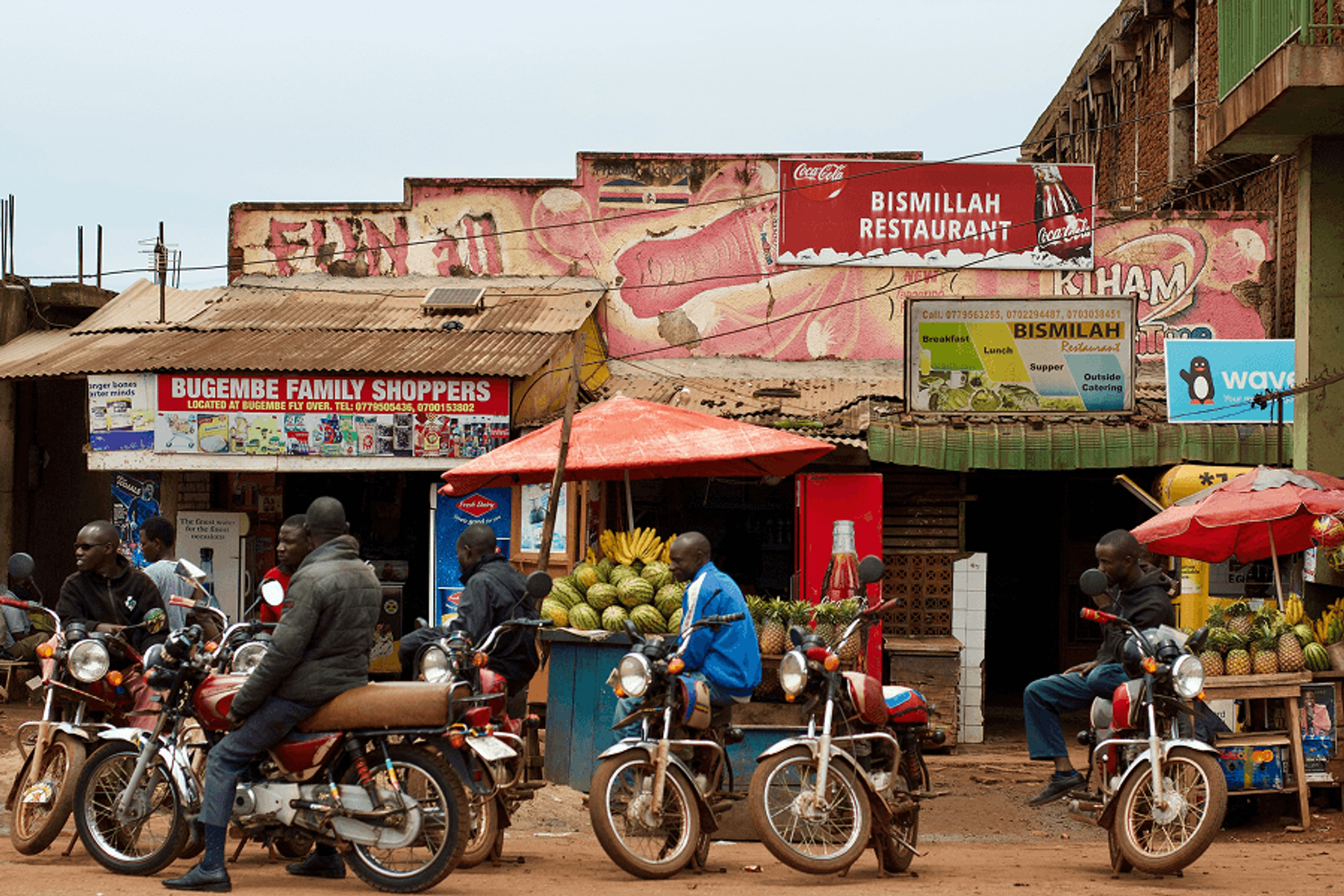
Uganda sits in the Great Lakes region of East Africa and is landlocked, bordering the Democratic Republic of the Congo, Kenya, Rwanda, South Sudan, and Tanzania. It is roughly twice the size of Pennsylvania. Most missionaries are based in or near Kampala, the capital, though many serve in rural regions partnering with local churches, schools, and medical clinics. English is Uganda's official language, so most missionaries can work and communicate without needing to learn a new language first, though Luganda and other local languages are widely spoken and helpful to pick up over time.
Visa and Work Permit Requirements
Uganda requires a visa for entry, applied for in advance through the government's Electronic Visa and Permit Application System. Missionary and volunteer work generally requires a separate work permit on top of the entry visa. Missionaries and NGO volunteers typically apply for a Class G1 or G2 permit, which runs $250 for six or twelve months, $500 for two years, or $750 for three years. Applications call for a recommendation letter through Uganda's NGO Bureau, a police clearance certificate, an appointment or cover letter, and certified copies of your qualifications.
Working in Uganda without a valid permit can result in a fine or jail time, and immigration authorities charge roughly $30 for each day a visa is overstayed. Passports must be valid at the time of entry with at least six months of remaining validity and one blank page for the entry stamp.
Health Guidance
The CDC recommends the yellow fever vaccine for travelers nine months and older heading to Uganda, and many missionaries carry proof of vaccination even when it isn't required for direct entry from the United States, since it is often needed for travel to neighboring countries. A visit to a travel medicine clinic before departure is worth building into your planning timeline.
As of this writing, the U.S. State Department has Uganda under a Level 4, "Do Not Travel," advisory, issued June 4, 2026, due to an Ebola outbreak (Bundibugyo virus) affecting Uganda and the Democratic Republic of the Congo. Uganda temporarily closed border crossings with the DRC except for authorized humanitarian and response operations, and anyone entering from the DRC is required to self-quarantine for 21 days. The situation has been improving: Uganda reported 20 confirmed cases as of mid-July 2026, the last new case was confirmed June 21, and on July 16 health officials began the standard 42-day countdown toward declaring the outbreak over, provided no further cases appear. Because advisories and case counts change quickly, check travel.state.gov and the CDC's travel health notices directly before finalizing any trip, and register with the State Department's STEP program if you do travel.
Cost of Living
Uganda is inexpensive relative to the U.S., though costs vary by city and lifestyle. A single missionary living in a secure neighborhood in Kampala can expect to budget somewhere between $700 and $1,900 a month depending on housing choices, covering rent, groceries, transportation, and utilities. Families typically budget more, with estimates ranging from about $1,200 to $2,500 a month for a couple or family of four. These figures are general planning ranges, not fixed costs, and it's worth building in a buffer for currency shifts and unexpected expenses.
Currency and Banking
Uganda's official currency is the Ugandan Shilling. U.S. dollar bills printed before 2009, or that are torn, worn, or marked, generally cannot be exchanged, so bring newer, undamaged notes if you plan to carry cash. ATMs are widely available in cities but many only work with cards tied to a specific Ugandan bank, and Western Union and MoneyGram locations are common throughout the country for receiving transfers. Most missionaries eventually open a local bank account for day-to-day expenses while keeping a U.S. account for support and savings.
Staying Connected to Support Back Home
Serving overseas doesn't change how U.S. donors give or how their gifts are taxed, but it does add a layer of logistics: currency conversion, international transfer delays, and keeping supporters updated from a distance. A missionary support platform that works internationally makes this simpler, since donors can give from anywhere and a missionary's profile and giving history stay in one place regardless of which country they're serving in. Sowfund, for example, lets missionaries serving abroad keep donations tax-deductible for their U.S. supporters no matter where they're stationed, since Sowfund itself holds the funds as the registered 501(c)(3).
Common Questions Before You Go
Do missionaries need a visa to serve in Uganda? Yes. A visa is required for entry and must be applied for in advance, and missionary or volunteer work generally requires a separate work permit on top of the entry visa.
Is it currently safe to serve in Uganda? The U.S. State Department has Uganda under a Level 4, "Do Not Travel," advisory due to an Ebola outbreak, though the outbreak has been trending toward resolution as of mid-July 2026. Check the current advisory at travel.state.gov before finalizing any trip.
What does it cost to live in Uganda as a missionary? Estimates range from about $700 to $1,900 a month for a single person and $1,200 to $2,500 a month for a couple or family, depending on housing and lifestyle.
Do I need a work permit just to volunteer? Generally yes. Uganda's immigration authorities treat missionary and volunteer work as requiring a work permit, and working without one can carry fines or jail time.
Before You Book Your Flight
Uganda remains one of the more active mission fields in East Africa, but the visa process, work permit requirements, and current health guidance each take real lead time to work through before you leave. Build in time for the permit process, budget realistically for cost of living, and check the latest travel advisory close to your departure date rather than relying on information that may be a few months old.