How to Manage Finances on the Mission Field

Vlad Radchenko · Co-founder, Sowfund · 5 min read | Sep 23, 2026
Fundraising gets most of the attention in missionary prep, but managing the money once it's coming in is its own skill. Currency swings, international transfer delays, taxes that don't stop just because you've left the country, and the simple discipline of budgeting for a life that looks different every year all add up. Here's a practical walkthrough of how to manage finances once you're on the field.
Build a Real Budget Before You Leave
A missionary budget usually covers more categories than people expect: housing, language school, health insurance, transportation, retirement contributions, and travel for furloughs back home, on top of day-to-day living costs. Most financial planners who work with missionaries recommend adding a buffer of roughly 5 to 15 percent on top of the base budget to absorb lost support, cost-of-living increases, or currency shifts. Building this out before you leave, rather than adjusting on the fly once you're on the field, makes the first year considerably less stressful.
Set Up Banking You Can Actually Access
International banking is one of the more overlooked parts of mission prep. Notify your bank before you travel so international activity doesn't trigger a fraud freeze, and carry a backup card in case one gets lost, stolen, or simply doesn't work at a local ATM. Many missionaries end up opening a local bank account for everyday spending while keeping a U.S. account open for support deposits and savings. Bank transfer fees and unfavorable exchange rates can quietly eat into a support budget, so it's worth comparing a few options, including banking apps built for international use, before committing to one setup.
Understand Your Tax Obligations
U.S. citizens are required to file federal tax returns regardless of where they live, missionary work overseas doesn't change that. Many missionaries qualify for the Foreign Earned Income Exclusion, which can reduce or eliminate U.S. tax on income earned abroad, but the rules around what counts as earned income, housing allowances, and support versus salary get complicated quickly. Working with an accountant who has specific experience with missionary or expatriate tax situations, rather than a general preparer, tends to save more than it costs.
Protect Yourself and Your Family with Insurance
Health insurance that actually covers care in your host country should be in place before departure, along with disability coverage in case an illness or injury keeps you from working. Missionaries with children are also encouraged to have a will on file that clearly states guardianship and asset distribution in case something happens while the family is abroad.
Keep Support and Personal Funds Separate
It's worth keeping ministry donations and personal funds in clearly separate accounts from the start, both for your own clarity and for anyone helping you track finances back home. Know which of your incoming gifts are tax-deductible to the donor and which aren't, since that depends entirely on how the money is being received. A missionary support platform that automatically issues donor receipts removes a lot of the manual recordkeeping that otherwise falls on the missionary at tax time.
Build a Buffer for Support Gaps
Support rarely arrives in a perfectly even stream. One-time gifts spike around the holidays and dip in the summer, and even reliable donors occasionally miss a month. Where possible, build toward a reserve of a few months' expenses, and lean on recurring monthly donors over one-time gifts wherever you can, since recurring support is far easier to plan a budget around than a series of unpredictable one-time gifts.
Where a Support Platform Helps
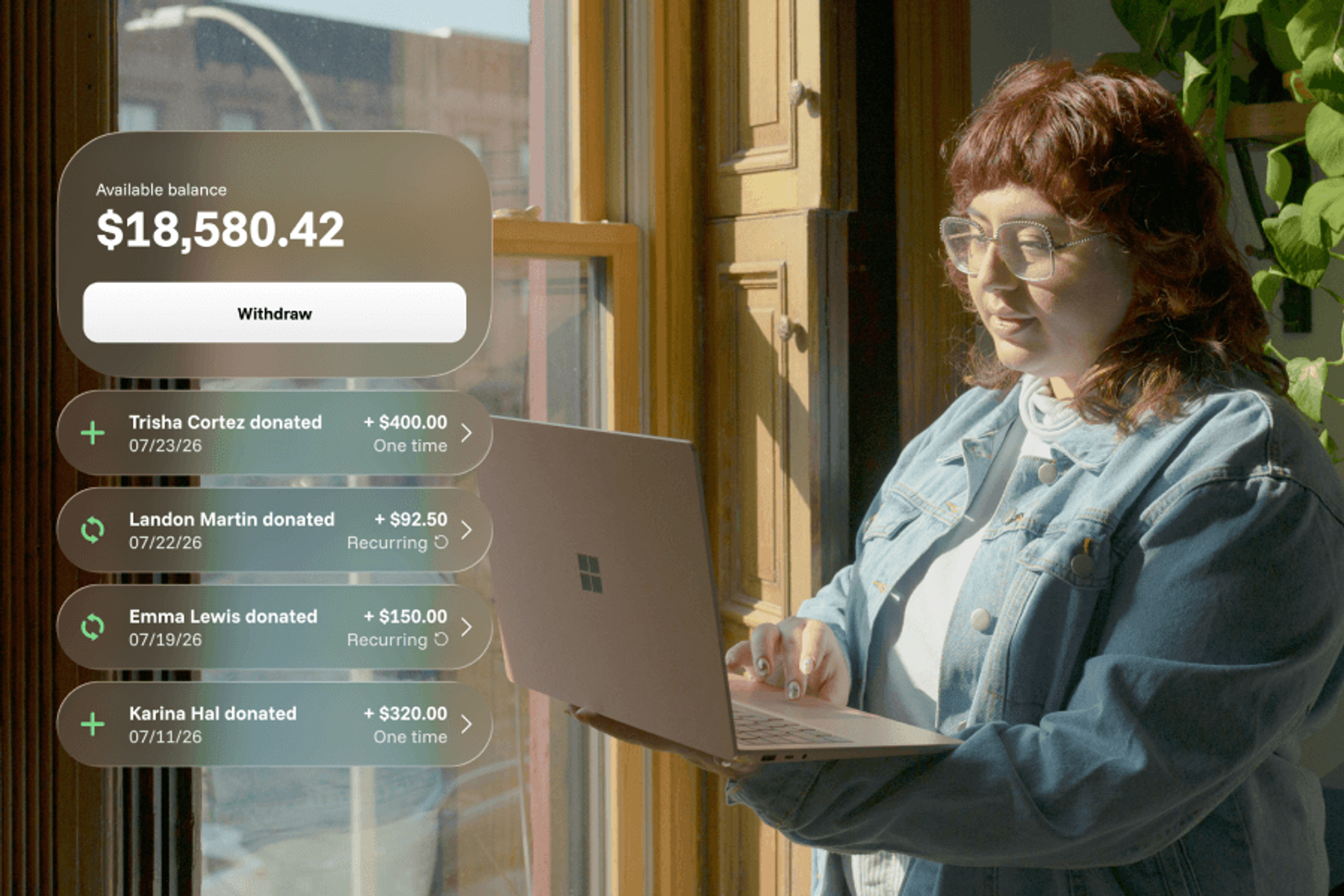
A lot of this gets easier with the right tools behind it. Sowfund's Wallet shows every donation received, with a full fee breakdown, estimated arrival dates, and withdrawal history in one place, and donors can set up recurring monthly gifts directly from a missionary's profile so support doesn't have to be re-raised from scratch every year. Since Sowfund itself is a registered 501(c)(3), every gift comes with an automatic tax receipt, one less thing to track manually while you're focused on the work itself.
A System, Not a Scramble
Managing money on the mission field is less about any single decision and more about setting up the right systems before you leave: a realistic budget, accessible banking, a clear handle on your tax obligations, adequate insurance, and a way to track support that doesn't rely on spreadsheets you have to maintain by hand. Get those in place early, and the day-to-day financial side of mission life becomes a lot less of a distraction from the actual work.